
Brezoi 2026: Two generations under the shadow of Stevie Ray Vaughan and Jimi Hendrix

In 1998 Kenny Wayne Shepherd was touring Europe for the second time, following the success of his second album “Trouble is …” issued in 1997. His first record “Ledbetter Heights”, issued in 1995 was the work of an 18-year old guitar prodigy eager to show his technical prowess and confidence, with long guitar solos, aggressive Stratocaster tones, wah-wah effects, bent notes, fast pentatonic runs, and strong blues-rock riffs. But the album included memorable songs with a catchy melody like “Born with a Broken Heart”, “Deja Voodoo” or “Shame, shame, shame”. “Trouble is …” starts with “Blue on Black”, which became his signature song and employed the soulful, deeper voice and the acoustic guitar of a new vocalist, Noah Hunt. The guitar is not that exuberant like on the first record but all songs – among them two Dylan and a Hendrix cover – have their fair share of guitar work. I was lucky to see and photograph him in 1998 in Munich and I remember vividly the “Voodoo Chile” version that he closed the concert with; an over 10-minute long explosion of pyrotechnics while the guitarist was writhing and rolling on the scene. At Brezoi 2026 he was the main attraction and the headliner of the last day. 49 now, he didn’t roll over the stage any more but that didn’t dent even a little bit of his showmanship. Kenny Wayne Shepherd’s set at Brezoi was not a straightforward celebration of his early albums, but a carefully balanced journey through three decades of blues-rock. He opened with “Born With a Broken Heart,” immediately reaching back to Ledbetter Heights, the 1995 debut that first established him as one of the most exciting young guitarists of his generation. The song’s dark, dramatic riff set the tone for an evening in which Shepherd moved freely between the different stages of his career, combining early classics with more recent material, traditional blues, and songs that reflected the musicians who shaped his sound. The set soon shifted toward newer territory with “Dirt on My Diamonds,” “I Got a Woman,” and “Watch You Go,” before returning to the raw energy of the debut album with “Déjà Voodoo” and “Shame, Shame, Shame.” The former, driven by wah-wah guitar and unmistakably indebted to Jimi Hendrix, brought a burst of psychedelic blues-rock, while “Shame, Shame, Shame” added a heavier, more swaggering groove. Shepherd also paid tribute to the foundations of the blues. Elmore James’s “Talk to Me Baby” brought a more traditional electric-blues feel, while “I’m a King Bee,” the Slim Harpo classic, connected the performance to the swamp-blues roots that have always been present in Shepherd’s music. During “Dark Side of Love,” he briefly quoted “Chitlins Con Carne,” recalling the interpretation made famous by Stevie Ray Vaughan and offering a subtle nod to one of his most important guitar influences. The ballad “While We Cry” is perhaps Kenny Wayne Shepherd’s most heartfelt tribute to Jimi Hendrix. Its introduction immediately evokes the atmosphere of “Little Wing”, with harmonies built around major seventh, sixth, and suspended chords, woven together with phrases drawn from the major pentatonic scale—hallmarks of Hendrix’s distinctive musical language. Although the influence is unmistakable, the piece soon develops its own identity, transforming a respectful homage into an authentic expression of Kenny Wayne Shepherd’s lyrical voice. The final part of the concert brought together several generations of blues and rock. Fleetwood Mac’s “Oh Well” provided a powerful bridge to the British blues boom of the ‘60s, but it also produced one of the evening’s most unexpected and memorable moments. In the middle of his guitar improvisation, Shepherd suddenly slipped a few unmistakable notes of “Ciocârlia”, the 19th century composition by Anghelus Dinicu, into the solo. The quotation was brief, but it was more than a musical curiosity. It felt like a spontaneous gesture of respect toward the country and the audience that had welcomed him—a small effort to adapt an international blues-rock set to its Romanian setting. By weaving a fragment of one of Romania’s best-known folk melodies into “Oh Well,” Shepherd created a fleeting but genuine connection between his own musical language and the cultural identity of the audience before him. It was a subtle touch, yet one that gave the concert a distinctly local character and made the performance feel less like a standard stop on an international tour. “Blue on Black,” Shepherd’s most enduring and widely recognized song, followed before the concert ended with Jimi Hendrix’s “Voodoo Child (Slight Return),” an explosive finale that allowed Shepherd to stretch out on the guitar and return, in a sense, to one of the central sources of his musical language. Although the set included only three songs from Ledbetter Heights—“Born With a Broken Heart,” “Déjà Voodoo,” and “Shame, Shame, Shame”—it offered something broader than a nostalgic anniversary performance. It was a compact portrait of Kenny Wayne Shepherd as a musician: rooted in the blues, shaped by Stevie Ray Vaughan and Jimi Hendrix, and still capable of connecting his early guitar-driven sound with the more mature, song-oriented music of his later career. The brief appearance of “Ciocârlia” added a personal, distinctly Romanian note to that portrait—and became one of those small, unexpected moments that audiences often remember long after the final encore. Watching Taj Farrant and Kenny Wayne Shepherd at Brezoi was like witnessing two chapters of the same story. Both are extraordinary guitarists who grew up under the long shadows of Jimi Hendrix and Stevie Ray Vaughan, yet they stand at opposite ends of a musical journey. At just seventeen, Taj Farrant is still in the exhilarating phase of discovery. His concert was a declaration of love for the guitar heroes who shaped him. The setlist moved effortlessly between his own songs and classics by Stevie Ray Vaughan, Elmore James, Bill Withers, Stevie Wonder, Jeff Beck and others, revealing both the breadth of his influences and his remarkable technical command. His playing is fearless, overflowing with energy, speed and confidence. There is a youthful desire to demonstrate everything
Madagascar: Famadihana – Dansând cu strămoșii
https://www.dilema.ro/la-fata-locului/dansind-cu-stramosii-in-madagascar “Regardez là: Un, deux, trois, quatre, cinq fumées! Cinq famadihanas d’un coup!” anunță Dina, șoferul meu, cu o umbră neașteptată de emoție. Dina este departe de a fi un angajat; e managerul Hotelului Valiha unde sunt cazat – un personaj fascinant care a petrecut douăzeci de ani în China studiind informatica și, desigur, vorbește fluent chineza. Nu știu dacă s-a simțit flatat de interesul meu pentru tradițiile malgașe, dar când a auzit că famadihana, ritualul de exhumare și reînhumare a rudelor decedate, era experiența pe care mi-o doream cel mai mult în Madagascar, s-a oferit să mă ducă la una cu 4×4-ul său. „De fapt, nu vreau să merg,” mărturisește el. „Drumul este prost și nu ai altceva de făcut acolo decât să mănânci și să bei. Dar este familia soției mele cea care organizează ceremonia și tot ei dețin hotelul… așa că, dacă nu particip, se vor supăra.” Destinația este Andakandrano, la aproximativ 120 km în regiunile înalte, la sud de Antananarivo, și îi sunt profund recunoscător pentru oferta sa. Voi merge ca un oaspete privilegiat – avem chiar o invitație elegantă, pliabilă, cu imagini cu muzicieni ai armatei din secolul al XIX-lea și munți de orez – într-un sat izolat unde niciun taxi-brousse sau mașină obișnuită nu ar îndrăzni să se aventureze. Am văzut partea mea de drumuri proaste în Madagascar, într-o călătorie sălbatică și plină de adrenalină de la Antananarivo la Morondava, dar ultimii 20 km de la drumul principal asfaltat sunt extrem de dificili chiar și pentru puternicul 4×4 al lui Dina. Pământul roșu este brăzdat de șanțuri longitudinale adânci care ar scufunda mașina fără vreo șansă de tracțiune dacă am cădea în ele, așa că Dina conduce pe crestele înguste ce margin esc șanțurile, balansându-se violent la stânga și la dreapta, urmându-le traseul sinuos. Nu există alte vehicule, doar oameni care străbat distanța până la Antanifotsy, cel mai apropiat oraș de pe drumul principal, pe jos, desculți sau în papuci, în ciuda frigului de iarnă de aproximativ 10°C. Peisajul este frumos, plin de terase de orez așezate în straturi pe coline, iar cerul gri și înnorat oferă o lumină difuză, mai bună pentru fotografie decât umbrele dure și supraexpunerile specifice unei zile însorite. O primă ceremonie în Antananarivo Nu era prima mea famadihana. Știam la ce să mă aștept după ce cu cateva zile inainte am dat peste o procesiune dansantă în cartierul Ambohidroa din Antananarivo. Eram într-o mașină care mergea spre un complex de temple chinezești situat la aproximativ 50 km în afara Tanei (cum este denumit adesea Antananarivo) când am auzit bătăile tobelor pe o alee îngustă în pantă și am zărit o mulțime de tineri dansând cu bucuria dezlănțuită a unei înmormântări jazz din New Orleans, o asemănare accentuată de culoarea pielii. I-am spus lui Jacky, șoferul și prietenul meu malgaș, că trebuie neapărat să cobor, și am alergat prin mulțime pentru a fotografia și a afla informații despre desfășurarea ulterioară a evenimentelor. Sunetul venea de la o primă fanfară – o tarika hira gasy – ai cărei membri purtau tricouri roșii asortate, cu mâneci lungi verzi și șepci roșii. Procesiunea era condusă de o tobă mare, albastră și roșie, urmată de trompete, un trombon și un clarinet. Numele fanfarei, MAHASAKY, cu sensul amuzant de „cel care îți face sete”, era brodat cu mândrie pe mâneci. Mulțimea, alcătuită aproape exclusiv din copii și adolescenți, se strecura printre muzicieni, fetele tinere etalându-și talentele la twerking (scuturat de fese). În vacarmul infernal am încercat să găsesc un bun vorbitor de franceză și am avut noroc; de la prima încercare am dat peste un domn cu un bebeluș în brațe care a strigat adresa cimitirului în aplicația de înregistrare a telefonului meu. I-am luat și numărul de telefon pentru o dublă verificare, deoarece nu auzeam nimic în cacofonia instrumentelor de alamă și a tobelor. Am aflat că adunarea la cimitir era după ora 14:00, așa că Jacky a sugerat să continuăm spre templul chinezesc, dar traficul era atât de aglomerat încât, la jumătatea drumului, am decis să ne întoarcem. A fost o decizie inspirată; întoarcerea la Tana a durat de două ori mai mult decât mă așteptam. La ora 14:00, cimitirul Bisericii Fitiavana din cartierul Ambatolampy Antehiroka era deja plin. Am observat sticle de bere, rom și whisky scoase la vânzare și efectul lor euforic asupra unor bărbați și femei. O orchestră malgașă numeroasă, Mangarana Saints, în mantouri roșii și albastre, cânta o melodie stridentă și repetitivă, atrăgând petrecăreți de toate vârstele aproape de fanfară, iar participanții de toate vârstele și ambele sexe erau prinși de ritmul tobelor, trompetelor și clarinetelor. Femeile, în special, dansau cu bucurie și abandon deplin, mișcările ample ale șoldurilor în colanți amintindu-mi de versurile formatiei Queen: „Fat bottomed girls you make the rockin’ world go ‘round”. Toată lumea voia să fie fotografiată. Un grup de copii m-a înconjurat și m-a tras de haine, iar adulți de vârstă mijlocie, vorbitori de franceză, foarte mândri de tradițiile lor, m-au întrebat unde vor fi publicate fotografiile. Cuvântul „famadihana”, care înseamnă literal „întoarcerea oaselor”, nu a fost atestat în nicio literatură până în a doua jumătate a secolului al XIX-lea. Ceremonia s-a dezvoltat în regiunile înalte centrale, în special printre grupurile etnice Merina și Betsileo, în secolele XVII–XVIII. Deși are rădăcini în vechi obiceiuri austronesiene de înmormântare secundară și în venerarea africană a strămoșilor, seamănă cu ritualuri din alte regiuni precum Sulawesi, Borneo și Filipine, dar nicăieri corpurile reînfășurate nu sunt purtate pe umeri într-un dans exaltat. Încet, zeci de cadavre au fost scoase din morminte și așezate unul lângă altul, veșmintele albe purtând numele clar al decedaților. Familiile le-au așezat pe rogojini, scoțând doar giulgiul exterior, corpurile rămânând încă învelite în giulgiurile interioare, și le-au reînvelit cu grijă în noi veșminte albe, scriindu-le numele corespunzător. Apoi membrii familiei s-au adunat lângă trupuri, îmbrățișându-le cu dragoste sau atingându-le cu respect. Câteva fete au vărsat pentru scurt timp câteva lacrimi, dar durerea lor s-a transformat curând în râs. Apoi a erupt scena cea mai suprarealistă: trupurile înfășurate au fost ridicate pe umerii rudelor, iar un dans frenetic,
https://www.dilema.ro/regimul-artelor-si-munitiilor/la-inaltimea-oricarui-festival-occidental

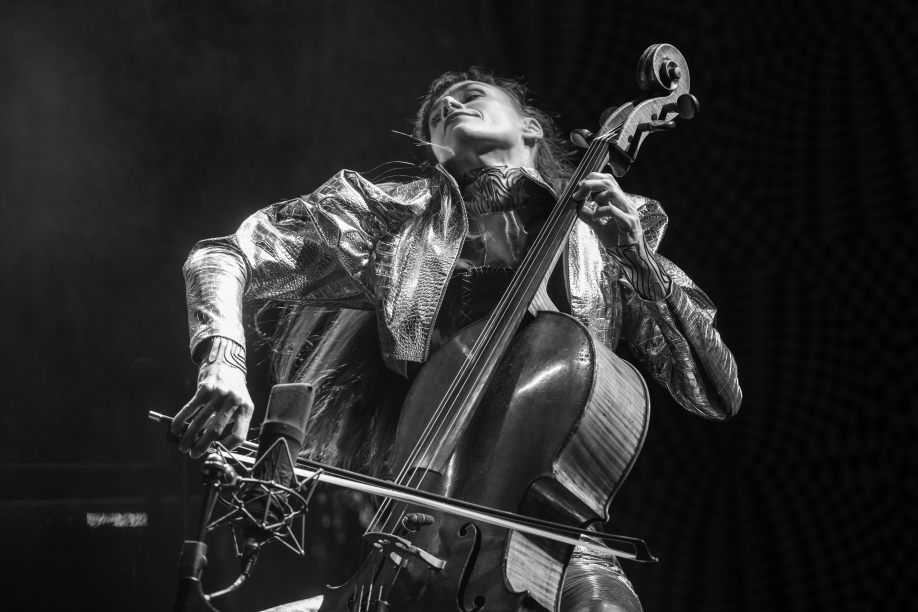
https://www.dilema.ro/regimul-artelor-si-munitiilor/muzica-mea-e-o-chemare-la-optimism-interviu-cu-violoncelista-josefine-opsahl
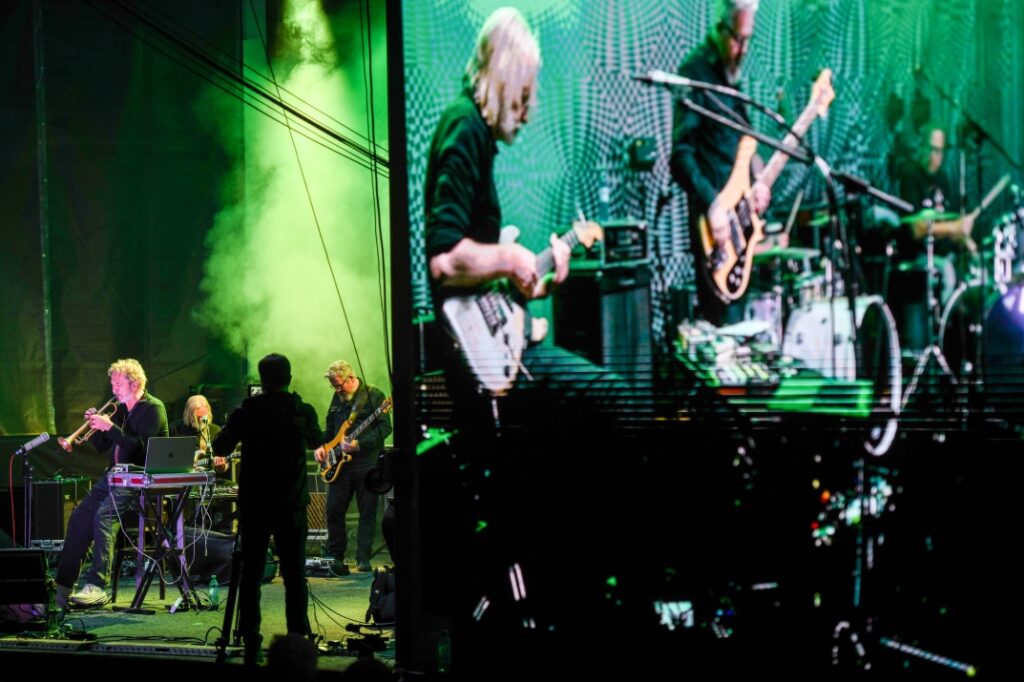
https://www.dilema.ro/muzica/garina-2025-tot-eclectic-tot-un-succes
https://www.dilema.ro/la-fata-timpului/triumful-lui-nicusor-dan

Nu mi-am putut imagina nici măcar pentru o clipă că George Simion ar putea ajunge președinte al României. Dincolo de discursul său anti-UE, anti-liberal, încercările sale de a se integra în curentul MAGA, culminînd în congresul MEGA (Make Europe Great Again) din aprilie 2024, mi l-au înfățișat ca pe un politician cu o înțelegere superficială a aspectelor economice, cu fraze patriotarde și găunoase, incapabil de a răspunde provocărilor pe care le întîmpină azi România. Știam că sediul campaniei electorale a lui Nicușor Dan era în berăria Gambrinus, care are în comun doar numele cu celebra berărie a lui Caragiale de pe Calea Victoriei, și sîmbătă am intrat în sală pentru a întreba dacă aș putea fotografia la fața locului. Am fost îndrumat către un domn cu barbă, aflat în fața unui laptop, alături de un portret mare al lui Nicușor Dan. I-am explicat ce aș dori, mi s-a aprobat, după care domnul mă întreabă surprinzător: „Ce facultate ați făcut?” Am răspuns imediat „Aeronave” și imediat mi-a picat fisa: „Doru Bica!” — „Cornel Cazacu!”, am strigat amîndoi aproape într-un glas. Nu ne mai văzuserăm de la absolvire! Duminică am revenit la Gambrinus după concertul lui Alexandru Andrieș, deci după ora nouă, ora exit-poll-urilor, iar Nicușor Dan era deja în Cișmigiu, ținînd un discurs în uralele publicului, în marea majoritate tînăr, în timp ce George Simion se declara cîștigător. Am încercat să pătrund mai aproape, dar masa de tineri care înconjura o tribună improvizată era mult prea compactă. La Gambrinus, sala era deja plină de lume și, mai ales, de camere video frumos aliniate la stînga camerei. Un ecran TV gigantic transmitea rezultatele exit-poll-urilor, care indicau un avans substanțial, aproximativ 54-46% pentru Nicușor Dan. Incredibila diferență! Mi s-a părut că sînt în fața unui moment istoric. N-ar fi fost prima dată cînd un candidat ar fi reușit să remonteze — s-a întîmplat deja de două ori în alegerile de după revoluție, cînd Adrian Năstase și, respectiv, Victor Ponta au reușit să piardă în turul doi după un avans de 7% și, respectiv, 10% — însă un candidat intrat în cursa electorală după anularea alegerilor, fără un partid în spate, fără o campanie electorală prealabilă, condus cu aproape 20%, și care în turul 2 să aibă un avans de peste 7%? Așteptîndu-l pe protagonist, am scanat încăperea și, în fața unui poster gigantic înfățișîndu-l pe Nicușor Dan înconjurat de trei tineri și purtîndu-i numele în partea dreaptă sus, am văzut un domn elegant, cu pălărie și o barbă albă, împreună cu un copil. Am intrat în vorbă cu elegantul domn și nu mica mi-a fost mirarea să aud că, de fapt, trăiește de 50 de ani în Germania. Radu-Dobre Sima mi-a declarat că a venit acolo doar pentru a-i da ocazia nepotului său, Raul, să-i spună președintelui că vrea să trăiască în România, să nu mai fie nevoit să părăsească țara ca bunicul său. În fața ecranului TV, pas cu pas, apar rezultatele parțiale, iar un domn blond, cu barbă, mă întreabă în engleză ce se anunță la televizor. Îl întreb care e limba sa maternă și, auzind că Alexandre Mendel e francez, cu rădăcini românești în Botoșani și corespondent al ziarului Journal de Dimanche, o dăm pe franceză și-i explic că este vorba de datele parțiale care se actualizează din clipă în clipă. Îl întreb care a fost ecoul interviului lui Simion dat postului TV francez de dreapta CNews, o mișcare pe care am descris-o ca fiind o prostie inimaginabilă — să fii invitat într-o țară și să te apuci să arunci cu noroi în președinte și să descrii orașele franceze ca murdare și fără Dumnezeu — și mi s-a replicat: „Sînt foarte supărat pe jurnaliștii francezi care l-au lăsat să vorbească fără a-l întrerupe.” „Une campagne de merde”, cum s-a exprimat mai apoi pe Twitter. Încet-încet devine din ce în ce mai clar că voturile diasporei favorabile lui Simion nu pot contrabalansa voturile celor din țară acordate lui Nicușor. În sală încep să-și facă apariția și politicienii USR, printre care Dan Barna și Cătălin Drulă, precum și Ludovic Orban, președintele partidului Forța Dreptei, susținător declarat al lui Nicușor Dan. Toți strălucind de bucurie și stingînd mîini în stînga și-n dreapta. Privesc în jur și, dintr-o dată, îl văd pe jurnalistul Paul Cozighian vorbind în franceză cu o tînără cu o cameră video la picioare și privirile ni se intersectează. Strig „Paul Cozighian!”, îl văd rîzînd cu gura pînă la urechi și-mi spune: „Te știu, te-am recunoscut imediat, dar nu-mi mai aduc aminte cum te cheamă.” Fusesem colegi de an la „Mihai Viteazul” și imediat ne-am informat despre carierele noastre profesionale de după revoluție — el în Franța, eu în Danemarca și Germania, azi amîndoi întorși în România. Afară, o mare de oameni agită steaguri ale României și unul enorm al UE care acoperă întreaga intersecție, scandînd plini de entuziasm: „Nicușor, Nicușor!”. La un avans de 1 200 000 de voturi, mai rămăseseră de numărat 900 000 de voturi ale diasporei și clar că orice s-ar fi întîmplat, George Simion nu mai putea recupera. Simion însă anunță printre altele, în mod bizar: „Este victoria lui Călin Georgescu. Dl. Călin Georgescu va ajunge la conducerea țării noastre.” Cred sincer că încercarea lui Simion de a se subordona lui Călin Georgescu ca partener secundar în încercarea de a cîștiga voturile sale a fost unul dintre factorii centrali care i-au împins pe mulți alegători, în special tineri, și care se identifică cu Europa și nu cu pozițiile anti-UE și pro-ruse ale acestuia, să iasă la vot în turul 2. În sfîrșit, coboară și Nicușor Dan, flancat de angajați ai SPP și de jandarmi, toți înconjurați de o liotă de fotografi, videografi și simpli susținători cu telefoane ridicate deasupra capului. Însoțit de partenera sa, Nicușor se îndreaptă spre parcul Cișmigiu, fluturînd mîna stîngă și zîmbind larg. Îl aștept cam douăzeci de metri în față și, deodată, am un culoar prin care îl pot fotografia clar. Era fotografia pe care o așteptasem toată seara. Pe marginea bulevardului Elisabeta, în spatele
A death in Chennai: A Hindu funeral (2025)
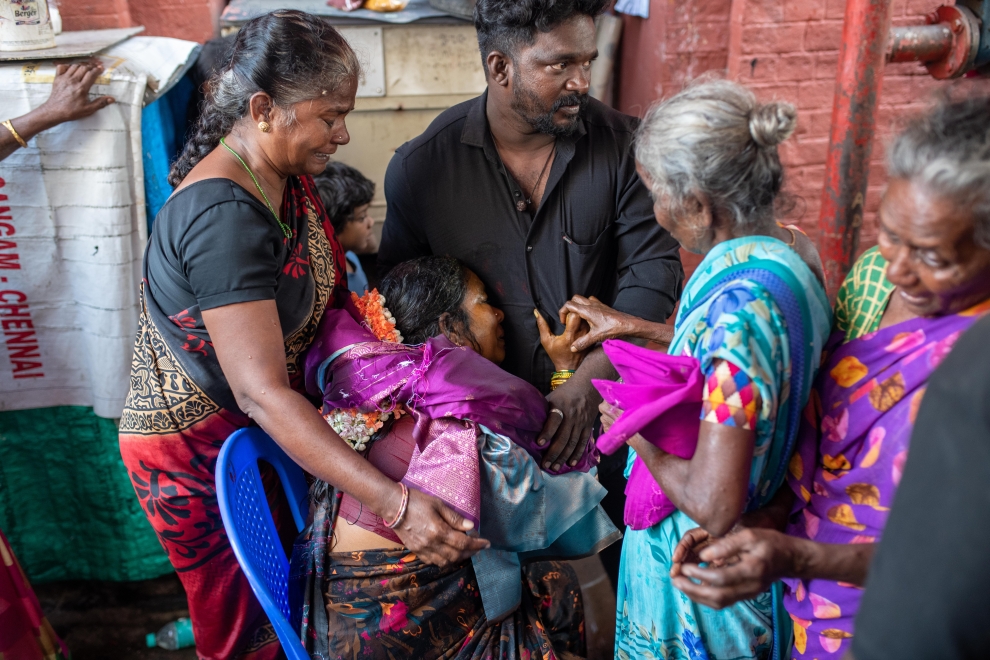
I was walking along Armenian Street in George Town, Chennai, absorbing the hum of daily life and avoiding the continuous flow of rickshaws and scooters filling the whole breadth of the street. Turning onto Mooker Nallamuthu Street, an unusual sight stopped me in my tracks. Amid the restless movement of the city, a glass casket stood aligned with a wall, covered by garlands and surrounded by a small sea of people, mostly women with colourful saris, lying down on the pavement. Inside lay a man, motionless, his body wrapped in a white sheet lined with gold and sprinkled with rose petals, his forehead painted with smudged white lines, his face serene in death. The gathered crowd—family, neighbors, friends—murmured in hushed tones, some weeping softly, others sitting or standing in solemn silence. Curiosity led me closer. A man standing near the casket met my gaze. I introduced myself as a documentary photographer and asked if I could document the ceremony, promising to give him all the photos taken. He turned out to be the deceased’s brother. Without any hesitation, he agreed and encouraged me to proceed. “If anybody asks you what you’re doing, you just tell them you spoke with me, I’m Raju.” For the next five hours, my camera became an observer of an intimate farewell. I had never seen a Hindu “antyesti” (funeral) ceremony and step by step I captured its intricate rituals – the grieving son crying and embracing his deceased father, the circumambulation of the participants around the casket, the washing of the hair of both wife and son with water from a huge earthen jug, the son holding the feet of the deceased with his toes tied with a white string, the covering of the body with more garlands, and the placing of coconuts and bananas on the white shroud. The son then changed to a white dhoti, his nude torso and forehead painted with three horizontal, parallel, white stripes drawn with holy ash – tripundra – sign of being a follower of Shiva. The neighborhood children, unaware or unfazed by the solemnity, danced nearby on a wooden cart platform, filmed by their admiring parents, their laughter a strange counterpoint to the mourning. Grown men, fuelled by hard liquor more than sorrow, swayed barefoot to the drum beats and nadaswaram (double-reed trumpet-like instrument specific to Southern India) shrill sounds, their grief manifesting in unexpected ways. The cortege eventually formed, with the hearse making its slow procession to the crematorium, led by the grieving son, the music band and the dancers. I followed, photographing each moment: the body arriving at the cemetery, then being laid on a slab of stone, the final offerings of ghee and sandalwood, stopping before the casket entered the burning chamber. He was only 49. Way too young, I thought. But Raju told me that in their neighborhood few lived past 55. The weight of those words lingered in my mind long after the family got back the ashes and a few bones gathered in a small urn. The next day, Raju called me to say goodbye and I suggested I could take a scooter to his address. I got a pin to the same corner where we had first met. He was wearing a tight, well-pressed azure shirt and welcomed me with a smile, a contrast to the grief of the previous day. We shook hands, and he introduced me to more family members, their faces familiar now, etched into my memory through the lens of my camera. As a gesture of condolence and goodbye, I invited them all for a meal. Except for Raju and his wife, the rest declined so we went to a small neighborhood restaurant, where, despite my protests, they refused to let me pay for the dosa. Their insistence was firm—hospitality, even in hardship, was a matter of dignity. After our meal, we returned to the same street corner. I casually remarked that they had a good location in the heart of the city, imagining their home in the stately corner building. That’s when Raju turned to me with a small, knowing smile and began pointing: “This is the kitchen,” he said, gesturing to a small stretch of pavement with a makeshift stove. “This is the toilet,” he continued, motioning toward a cubicle to the left. “This is the living room,” he added, pointing in front of us. Finally, he showed me a wooden cart covered by a hanging tarpaulin, the same cart used for the dancing children the previous day. “And here is the sleeping room. When it rains we just let the sheets down.” Already partly occupied by the son of the deceased. Only then did the reality sink in. The extended family – thirty members, in Raju’s confession – lived on this street. Not for a week or a month, but for generations. I asked Raju if he had come from a village, expecting the familiar story of migration to the city in search of work and a better life. But he shook his head. “My father and his father were also living on the street.” His words settled heavily in my chest, a glimpse into what it truly meant to be homeless in India—not just a condition of circumstance, but a cycle passed down through generations. I had expected to merely document a funeral. Instead, I had witnessed a life that many people see only superficially, like me, yet one that millions endure every day. O moarte la Chennai: Funeraliile unui hindus Mergeam pe Armenian Street din George Town, Chennai, absorbind zgomotul vieții cotidiene și evitând fluxul continuu de ricșe și scutere. Cotind pe Mooker Nallamuthu Street, un spectacol neobișnuit m-a facut sa ma opresc. În mijlocul mișcării agitate a orașului, un sicriu de sticlă stătea aliniat lângă un perete, acoperit cu ghirlande și înconjurat de o mare mică de oameni, în mare parte femei în sari-uri colorate, sezînd pe stradă. Înăuntru, zăcea un bărbat nemișcat, corpul său înfășurat într-un cearșaf alb cu margini
An unusual concert
On January 13, 1968, Johnny Cash started his concert at Folsom maximum security prison in California with “Folsom Prison Blues” in front of two thousand murderers, rapists and robbers. The energy emanating from Johnny Cash and his band, with Carl Perkins, the author of the famous “Blue suede shoes”, on guitar, as well as the inmates applauding lyrics like “I shot a man in Reno/Just to watch him die” in Reno/Just to see him die) is evident from the beginning of the disc, not being affected by the fact that the prisoners’ cheers were actually recorded after the concert, in the studio. The disc, released in May 1968, was received with maximum qualifications by music critics, it relaunched Johnny Cash’s career, becoming a gold disc in August 1968, having been sold until then in over 500,000 copies. There were songs about arrest, prison, cocaine, photos of my mother, scattered clothes and chains, gallows, songs in which each of the prisoners could be found. However, it was not Johnny Cash’s first concert in a prison, it took place on January 1, 1959, at San Quentin, the oldest prison in California, also of maximum security. Among the prisoners was Merle Haggard, arrested in 1957, at the age of only 18, for an attempted robbery. Years later, a country music legend, Merle Haggard testified that that concert inspired him to get serious and focus on music. In his words: “He had the right attitude. He chewed gum, looked arrogant and gave the guards the middle finger – he did everything the prisoners wanted to do too. He was a scumbag from the South who was there because he loved us. By the time he left, everyone in that place had become a Johnny Cash fan.” Soon after, Haggard joined the prison’s country music band and began to focus on music, putting aside the thoughts of escape that had plagued him until then. He was paroled in 1960 after serving two years of his sentence. Later, in 1972, he was granted an unconditional pardon by Ronald Reagan, then governor of California. Negulescu Nicolas Cezar hasn’t heard of Merle Haggard or Johnny Cash, which is not surprising, considering that he is just over 20 years old. He was arrested in 2018 for attempted murder, for a while being tried in freedom. In the end, he received a sentence of 4 years and 10 months, spending until now almost two years in the Craiova Detention Center. I spoke with him in the premises of the Arena Verde Stop in Bucharest, where the “Mircea Dinescu” Art Foundation organized a concert with the participation of seven inmates from the Craiova Detention Center, three professional musicians and Andrei Dinescu with his band PC HAREM. The concert is part of the RO-CULTURE program that takes place in Craiova and Bucharest, between May 2022 and April 2024, supported by EEA (European Economic Area) grants representing the contribution of Iceland, the Principality of Liechtenstein and the Kingdom of Norway to reducing economic and social disparities in The European Economic Area and to the strengthening of bilateral relations with the 15 beneficiary states in Eastern and Southern Europe and the Baltic States. “I’ve been in detention since May 2022, but I spent another six months in 2018. I shouldn’t have been in prison, it wasn’t such a serious act that I had to pay this amount. It had to be different,” says the young man I talk to before the concert. “Halfway through my sentence, in April I will appear before the parole board and I could be released. There it depends on your behavior, on the activities you have… I was a good boy, I behave well, I comply with the rules, I mind my own business, I have a goal – to go home as soon as possible, I have a family that he’s waiting for me, I don’t want to lose my life in prison, I made a mistake but that doesn’t mean I have to repeat it. It’s a learning of the mind, a lesson for me through what I’m going through…” I can’t control myself and I jokingly tell him that there are only four policemen out of seven detainees, so three could easily escape if they each ran in a different direction, but that it’s not worth it when there are only six months left until the eventual parole. He also laughs heartily and repeats that he wants nothing more than to return home as soon as possible and that he has no intention of making any more mistakes. I ask him if he plans to make music after he is released. “Honestly… it would blow my mind. I want to see how things unfold… I like to tinker. I don’t really have a voice.” I find out that there are weekly classes since the “Shamanelism” project and that in the period leading up to the concert there were several rehearsals. “I like techno, club music more, but I also like manele, otherwise I wouldn’t be here. There’s also that show on Taraf, with Lucian Elgi, that I still watch”, he says in reply to my statement that I don’t listen to the manele but that I appreciate the rhythm. The seven percussionists, seated on chairs in a circular arc, start synchronizing and I think of the dubasi from Brănești, with whom the Phoenix played in 1974, although the drums are of the Egyptian type, darbuka, the rhythm is oriental . Then Dumitru Boaca and Pulpan Nicolae entered on keyboards, Ionut Avram on vocals and occasionally Andrei Dinescu on violin. I think that the sound full of vigor is not far from that of the parties on the cruise ships leaving from Eminönü, but after a few rhythmic songs the soloist breaks the rhythm with a syrupy love song: “Your look is killing me/Nobody’s like you/But no other is like me/You are the happiness of life/You are like the
Burning of the Narsakura: Diwali in Goa (2024)
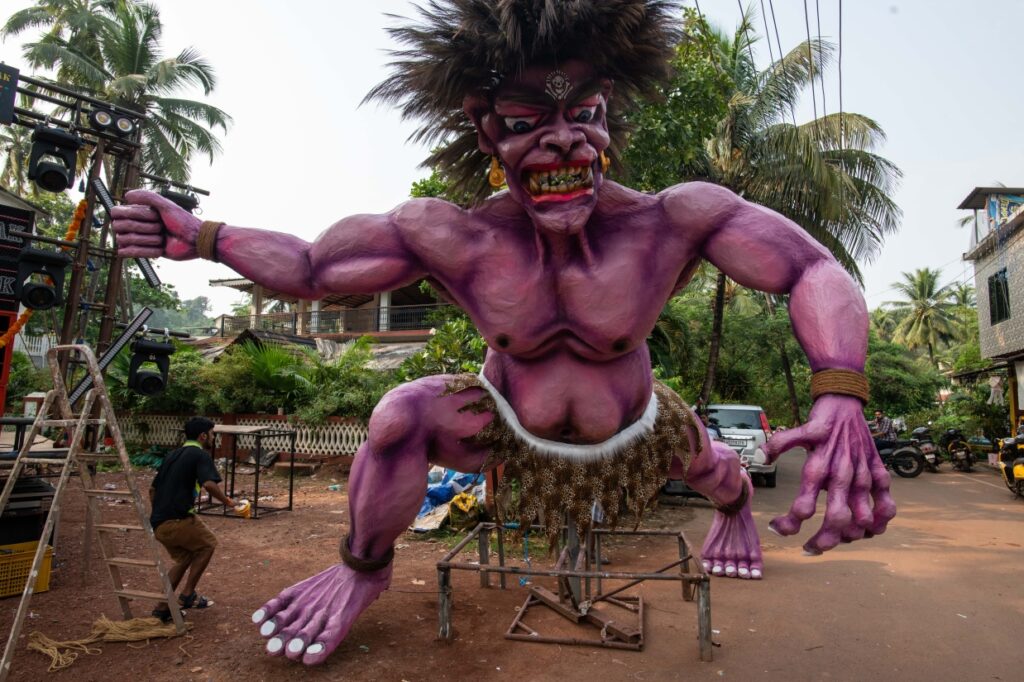
At the end of October 2024 I was supposed to be in the US, not India. My plan was to cover the US elections but the logistics obstacles turned out to be insurmountable and, having already a 5-year Indian visa, I started looking for a combination of photographic subjects. Having been to Ladakh in the last two years and considering the Himalayan areas as the best India had to offer, it was obvious that the first subject would be mountains – Spiti Valley in Himachal Pradesh or Sikkim. Then I saw that if I hurried I could actually catch some of Diwali, the festival of light. Digging a bit into the various interpretations of the tradition I saw that Diwali has a particular manner of celebration in Goa, where effigies of the evil demon Narakasur are burned at sunrise. With greedy eyes sliding across the Indian subcontinent map I weighed alternative plans encompassing Cochin, Trivandrum, Madras, Sri Lanka, Bangladesh, Kolkata, Andaman and Lakshadweep Islands and everything I could set my eyes upon in that wide neighbourhood. But in the end moderation and sobriety prevailed and I decided upon Goa, Kolkata and Bangladesh. The roughly 6-hour flight from Istanbul to Mumbai felt like one hour, having slept uncomfortably with my chin hitting my chest for more than half of the time but when I arrived in Mumbai in the wee hours of the morning I felt surprisingly awake. I met brother Ajay before 6 o’clock in the morning, in a queue of hundreds of people waiting to have their boarding passes and IDs checked at the entrance of Terminal 1, and with a flight to Goa scheduled in an hour and half I felt I shouldn’t worry about missing it, although in retrospect I should’ve. From behind a portly gentleman addressed me in fluent English: “Excuse me, I have a flight at 7:20. Could I pass, please?” “I also have a flight at 7:20” was my rapid reply. “Going to Goa too? Then come with me.” I didn’t need much encouragement to follow in his wide wake and soon I was inside. We lost each other from sight in the interminable controls until we were inside the plane where we exchanged a couple of pleasantries, but this was enough for him to take me under his wing after landing. On business auditing a hotel he partly owned in Goa, he felt at home there and told me which taxi to take, following me to the taxi stand and instructing the taxi driver, not before giving me his business card and telling me I could call him any time. It took a good hour and a half to get to my hotel in the centre of Panaji, Hospedaria Abrigo de Botelho, a 150-years old, restored house with high ceilings with wooden beams, patterned tile floors, in the Portuguese architectural style matching the environs of the Fontainhas precinct. I barely had time to take a shower, plug in my phone and laptop, add Ajay on my WhatsApp when he messaged me, asking if I had any lunch plans. “Why don’t you come for lunch at my hotel? You have the address on the business card.” Who would refuse a free meal, so I ordered an Uber scooter and after a walk in the charming neighbourhood I set off towards Ajay’s hotel in Candolim, some 25 minutes away. I mentioned the free meal for the readers’ entertainment but in reality I was looking forward to being enlightened about this part of India that I knew very little about. A Portuguese colony for about 450 years until 1961, Goa still has about 25% Catholics, 149 churches, and Portuguese names are frequent on the streets of Panaji. Also the concept associated with the relaxed, laid-back attitude specific to Goa “susegad” has its roots in the Portuguese term “sossegado”, translated as “peaceful, calm”. The ride took me along a road snaking through the countryside displaying a luxurious vegetation and some beautiful but grimy and mouldy colonial architecture, and my heart started beating faster when I saw giant effigies of a devil-like character springing up along the route. It was for this character that I came to Goa and in front of an elegant, immaculate table, while waiting for a meal of tandoori chicken, Ajay told me that the monster was Narakasura (or Narkasur), a demon who at a point ruled over the three kingdoms of underworld, earth and air, and who managed to trick Lord Brahma into making him almost immortal, the only person who could have killed him being his own mother, Satyabama. After conquering all the kingdoms of the earth Narsakura attacked the heavens and took as prisoners 16,000 women. After an epic battle between Narakasura and Krishna, when Krishna had fallen unconscious due to a trident thrown by Narasakura, Satyabama threw an arrow which pierced Narasakura’s chest and killed him. We finished the meal with the typical masala tea and then I was offered a grand tour of the hotel that started with one of the three villas inside the compound. I could see from the first step inside the hotel that it was a classy one. Very modern, with huge windows, stylish furniture and tasteful paintings, but the villas were something else. Suffice to say, both the lavish interior with canopy beds and balconies ending in infinity pools, and the views from the wide roof terraces to the lush greenery undisturbed by traffic din were probably the most luxurious accommodation I had ever seen. Also the most expensive, at over $350/night/room or $1000/night/villa … Tired after the night flight and curious to photograph the Narasakura demons along the road and near my hotel I had to say goodbye to Ajay and return to Panaji. It was hard not to stop all the time and wonder at the inventiveness of the Hindus. The tradition of burning the effigy of Narasakura, specific to Goa, is only 80 years old, and it would’ve been interesting
Gărâna Jazz Festival 2024 – “Din nou un program eclectic, foarte reusit”
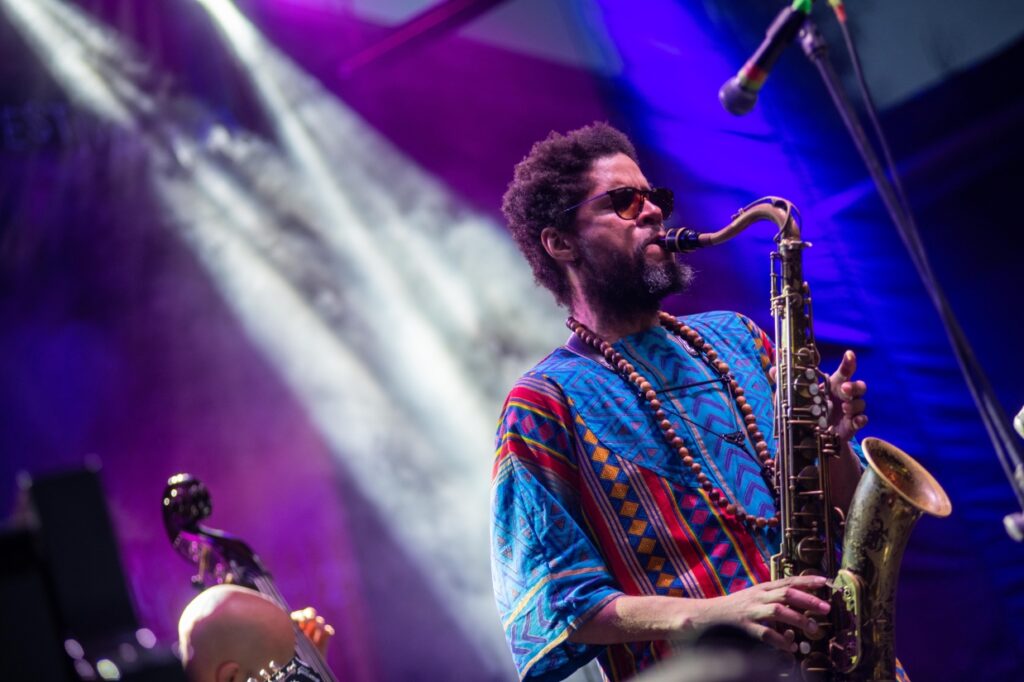
În seara lui 14 iulie 2024, pe când suporterii spanioli explodau de bucurie pe Olympiastadion Berlin, la Gărâna se încheia festivalul anual de jazz cu ultimele note ale basistei poloneze Kinga Glyk. A fost un festival deosebit in primul rând datorita condițiilor atmosferice. Obișnuiții festivalului au parte in fiecare an de frig și de cel puțin o ploaie torențiala, însa de data aceasta in loc de furtuna, ploaie și nămol am fost cu toții arși de un soare nemilos, fiind supuși unei arșițe cu nimic mai prejos de cea bucureșteana. Au fost patru zile de jazz cât se poate de variat, debutul făcându-l Amiira, trioul germano-suedezo-elvetian practicând o muzica eterica cu accente pe saxofonul ori mai puțin întâlnitul clarinet bas al germanului Klaus Giesing, ca în piesa de bis a grupului, “Where we go from here”. A urmat Tord Gustavsen Trio, care însa cu aportul Lufthansei s-a transformat intr-un duo, basistul neputând pleca la timp spre Timișoara. In lipsa lui am putut admira mai in detaliu stilul minimalist, tonul melancolic-meditativ și intensitatea și expresivitatea emoționala a lui Tord Gustavsen, care îmbina dragostea sa pentru muzica tradiționala norvegiana cu cea pentru Bach. Prima seara s-a încheiat cu concertul grupului lui Christian McBride, Ursa Major, in care fiecare dintre membrii grupului, saxofonista Nicole Glover, chitaristul Ely Perlman, pianistul Mike King și baterista Savannah Harris, au prezentat piese proprii. Christian McBride, ca octuplu castigator de Grammy, printre care de trei ori la categoria Grammy Award for Best Large Jazz Ensemble Album, și autor pana la aceasta data de 20 discuri, ar fi putut foarte bine prezenta doar compozițiile sale, însa in spiritul formarii și lansării de noi muzicieni le-a lăsat celor patru colegi de scena un spațiu amplu de desfășurare. Si chiar daca concertul lor a conținut un clasic ca “Dolphin dance” al lui Herbie Hancock, ori compoziția lui McBride “Familiar things”, cu un saxofon up-tempo al lui Nicole Glover, piesele mele favorite au fost “More is”, compusa de baterista Savannah Harris și cu o interacțiune extrem de dinamica intre saxofon și chitara, și “Cows”, compoziția talentatului chitarist israelian Ely Perlman. A doua seara a debutat cu un germanii de la Melt Trio, care au prezentat piese de pe discul lor “Consumer”, castigator al Deutscher Jazzpreis 2023 la categoria “albume instrumentale”. De remarcat chitara lui Peter Mayer cu un sunet care a oscilat intre finețe de filigran și abraziv. Jonathan Kreisberg 4tet ne-a făcut cunoștința cu un chitarist newyorkez plin de dinamism, eleganta și ingeniozitate, secondat de trei excelenți muzicieni din care l-am remarcat in special pe pianistul (desculț in timpul concertului) Marko Churnchetz. Ultimele doua concerte ale serii ne-au introdus exclusiv in atmosfera jazzului norvegian reprezentat de trioul basistului Mats Eilertsen și cel al pianistului Helge Lien, ultimul susținut de saxofonistul Tore Brunborg. Ascultând primul trio m-am simțit transportat in versurile onomatopeice ale lui Ion Barbu Lir-liu-gean, lir-liu-gean/Ca trei pietre date dura/Pe dulci lespezi de mărgean, din “In memoriam”), contrabasistul Mats Eilersen și bateristul Thomas Strønen umplând măsurat spatiile bogate lăsate libere de pianistul Harmen Fraanje. Seara s-a încheiat cu un tribut adus de pianistul Helge Lien profesorului și mentorului sau Misha Alperin, pianistul ucraineano-norvegian trecut și pe la Chisinau. Au fost cântate piese melancolic-elegiace de pe albumul “Funeral dance”, sunetul șuierat al saxofonului lui Tore Brunborg amintind de acel “fjellsang”(cântec al munților), denumirea metaforica a tonului lui Jan Garbarek, o sursa de inspirație majora pentru saxofoniștii norvegieni. Ziua a treia a debutat cu singura contribuție româneasca pe scena mare de la Gărâna. Dixie Krauser & The Fusion Company. A fost o buna ocazie pentru netimișoreni de a-i revedea pe Nick Krakovszki (Pro Musica), Doru Apreotesei (Post Scriptum, Pro Musica, Sfinx), Mihai Farcas (Progresiv TM) intr-un show energic in care a strălucit fiecare membru al formației. Saxofonistul cubanez stabilit la Madrid, Ariel Bringuez, cu al sau Quintet, a fost revelația festivalului. Piesele alese, majoritatea de pe albumul “Nostalgia cubana”, cu excepția piesei de la bis, Un dia de noviembre, de Leo Brouwer, ne-au arătat un saxofonist îndrăgostit de solistica, secondat de muzicieni exceptionali dintre care a ieșit in evidenta chitaristul Javier Sanchez, și el autor al unor solouri de mare finețe și expresivitate, ca de exemplu in piesa Juramiento. Ariel Bringuez a reușit sa ridice publicul in picioare atât pentru a canta cat și pentru a dansa, fiind răsplătit la finalul concertului cu un gigantic steag cubanez ridicat de doi participanți in fata scenei. Am aflat ulterior ca cei doi – români – aveau steagul de la o petrecere cu mult rom pe care o țineau în fiecare seara in campingul din fata festivalului, sub numele de “Cuba libre” … Au urmat danezii de la Girls In Airports (numele nefiind vreo alegere plina de semnificație, asa cum imi mărturisea într-o pauza simpaticul saxofonist al grupului care s-a adresat inițial nu numai publicului uman ci și celui … canin al festivalului). Eram puțin sceptic in ceea ce privește unele din albumele lor dar am avut speranța unui concert de calitate și asa a și fost. Cei doi percuționiști au creat un fundal pe rand viguros și sensibil pentru solistica pe alocuri garbarekiana a saxofonistului Lars Stender și exhibițiile electronice ale keyboardistului Mathias Holm. A urmat, târziu, înspre miezul nopții, concertul corifeilor scandinavi grupați sub numele de “30 years of E.S. T. – Tribute to Esbjörn Svensson Trio”. Magnus Öström și Dan Berglund, membri ai trioului original, au ales sa cânte prima piesa – From Gagarin’s Point of View – doar in trio cu Joel Lyssarides la pian, dupa care la fiecare noua piesa grupul a fost completat de cate un nou muzician, mai întâi norvegianul Marius Neset la saxofon, apoi veteranul suedez Ulf Wakenius la chitara, și in cele din urma finlandezul Verneri Pohjola la trompeta. A fost mai bine de o ora de jazz de cel mai înalt nivel care a ridicat publicul in picioare, eu personal nemaivăzând o secție ritmică atât de impresionanta și “in the pocket” ca cea formata de Öström și Berglund. Duminică, ultima zi, publicul fusese deja anunțat